by Jennifer Gangi | Aug 31, 2026 | Hydrogen Production, Storage and Distribution, Transportation
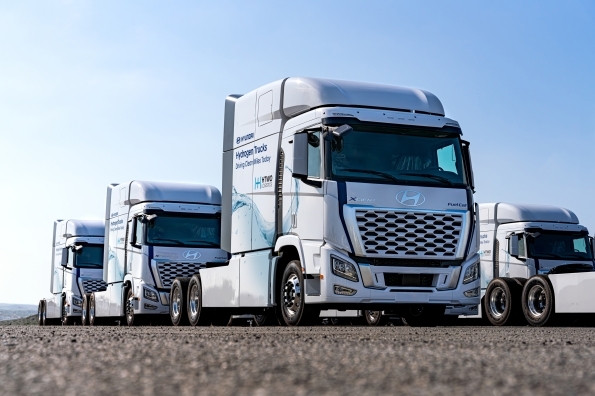
by Mhamed Samet August 31, 2026 Hydrogen fuel cell trucks offer a combination of benefits that is difficult to match in heavy-duty transportation: long driving range, fast refueling, high payload capability, and zero tailpipe emissions. The challenge is increasingly...

by Jennifer Gangi | Aug 10, 2026 | Transportation
by Jennifer Gangi August 10, 2026 Fuel cell buses are not new to the transit scene. Accumulating hundreds of thousands of miles on routes all around the world over several decades of operation, fuel cell systems have provided transit agencies with reduced bus fleet...

by Jennifer Gangi | Jul 6, 2026 | FCHEA Organization, Storage and Distribution, Transportation
by Jennifer Gangi July 6, 2026 The fuel cell industry owes a debt of gratitude to the long-standing foresight, commitment, and investment of the automotive industry. From introducing the first fuel cell electric vehicles (FCEV) in the 1960s to commercial FCEVs...

by Jennifer Gangi | May 18, 2026 | Aviation, FCHEA Organization, Transportation
May 18, 2026 by Jennifer Gangi Fuel cells and hydrogen technologies have a long and proven history fueling innovations in aerospace, with the National Aeronautics and Space Administration (NASA) first launching fuel cells into our energy orbit more than 60 years ago....

by Tobias Hanson | Oct 27, 2025 | Transportation
October 27, 2025 Since FCHEA’s last blog post on hydrogen and fuel cell use in rail applications, and an earlier one on the U.S. National Zero-Emission Freight Corridor Strategy, there have been quite a few exciting developments from FCHEA members and partners working...
by Tobias Hanson | Sep 30, 2025 | Transportation
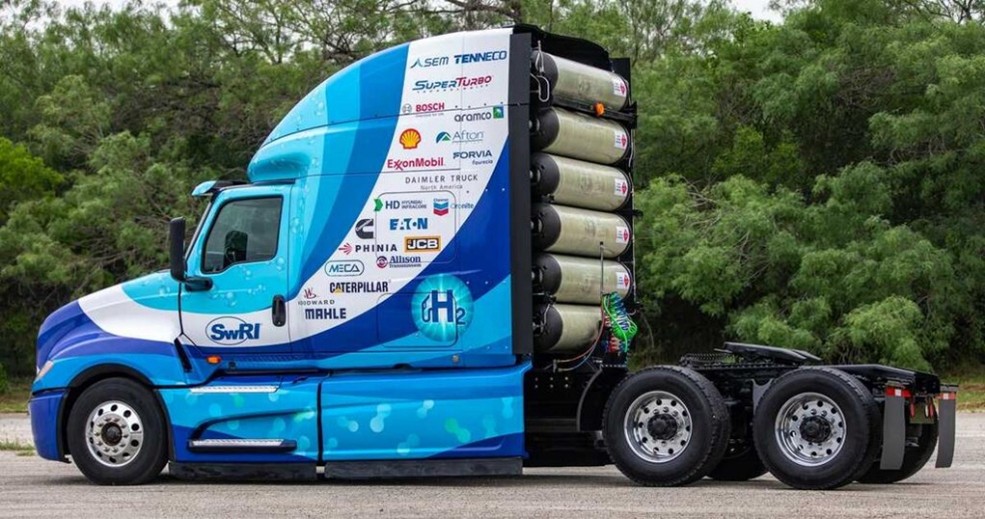
September 30, 2025 As the trucking industry increasingly seeks sustainable, yet efficient solutions, hydrogen, used in fuel cells or internal combustion engines, is being recognized as a viable option. Fuel cell trucks produce zero tailpipe emissions while providing...
